A Flying Start
PRISM began life as HPAR (Harmonic Phase Analysis and Restoration), based on Evans’ hypothesis that musical performance errors were an objective phenomenon that could be identified and repaired by a mixture of procedural and machine-learning algorithms. And that the analysis that this required could also reused to enhance the audible performance clarity on the whole recording.
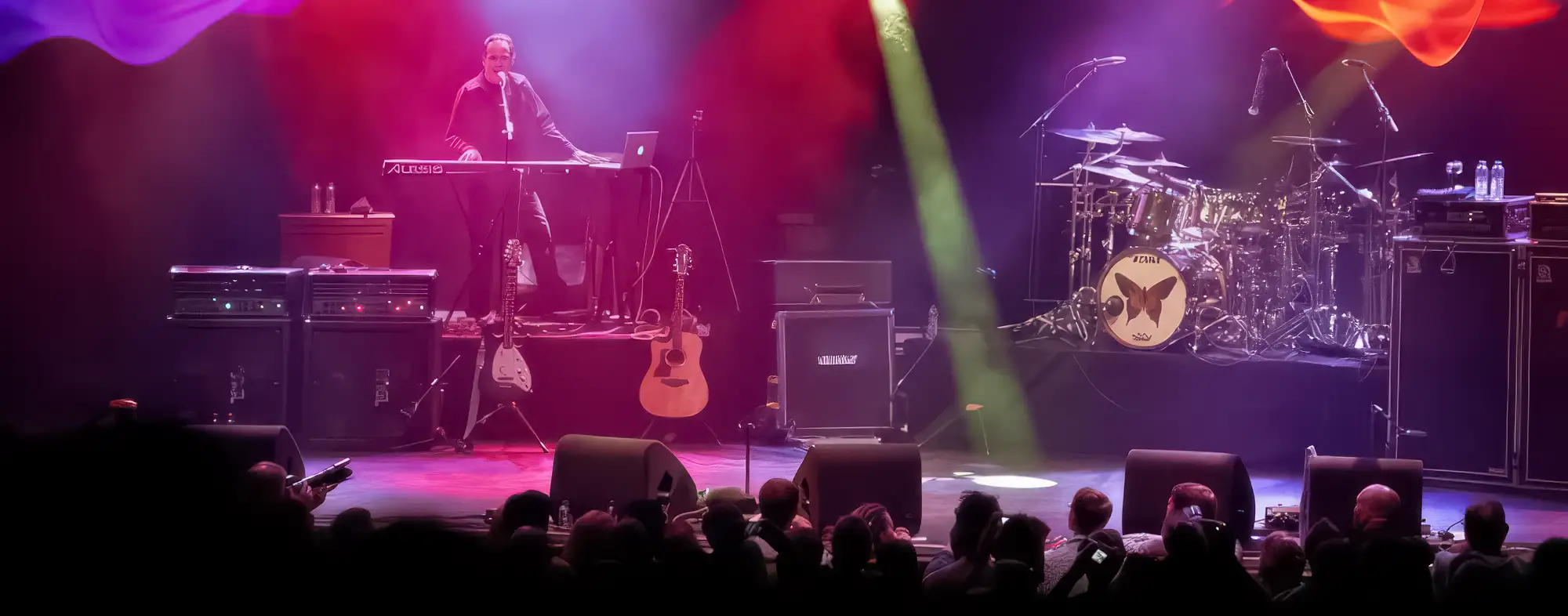
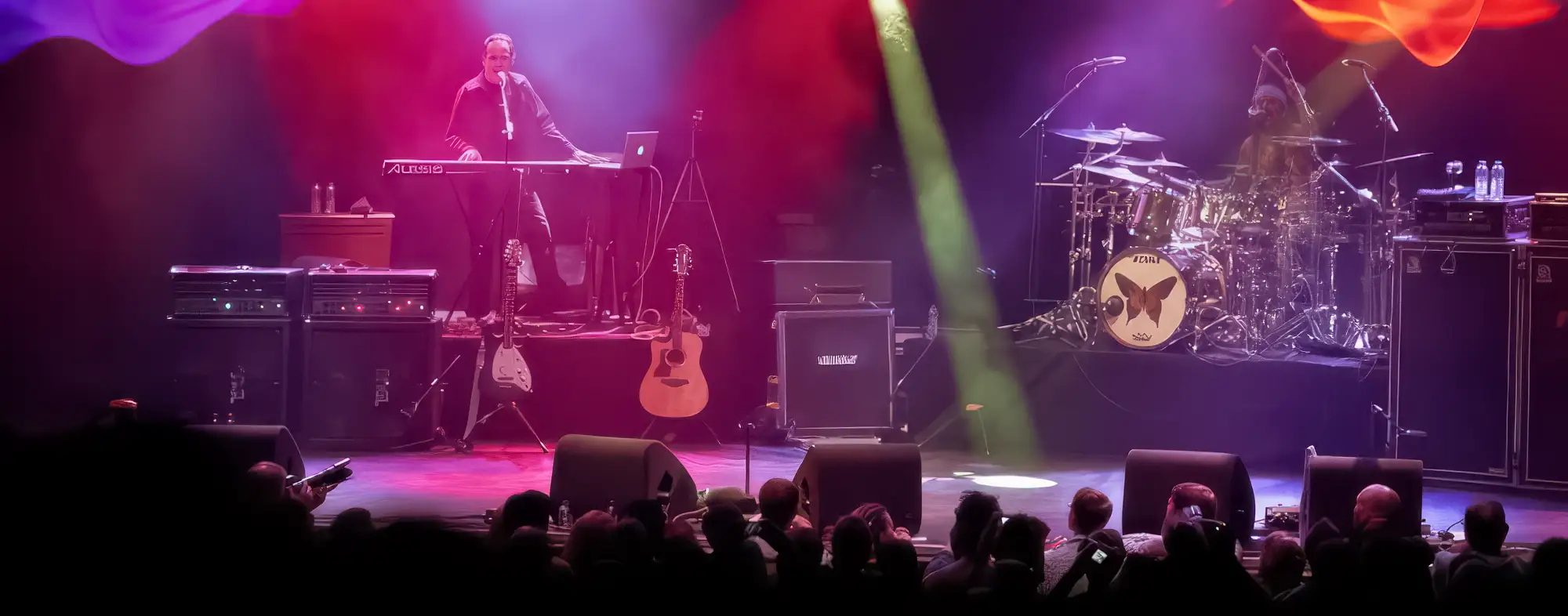
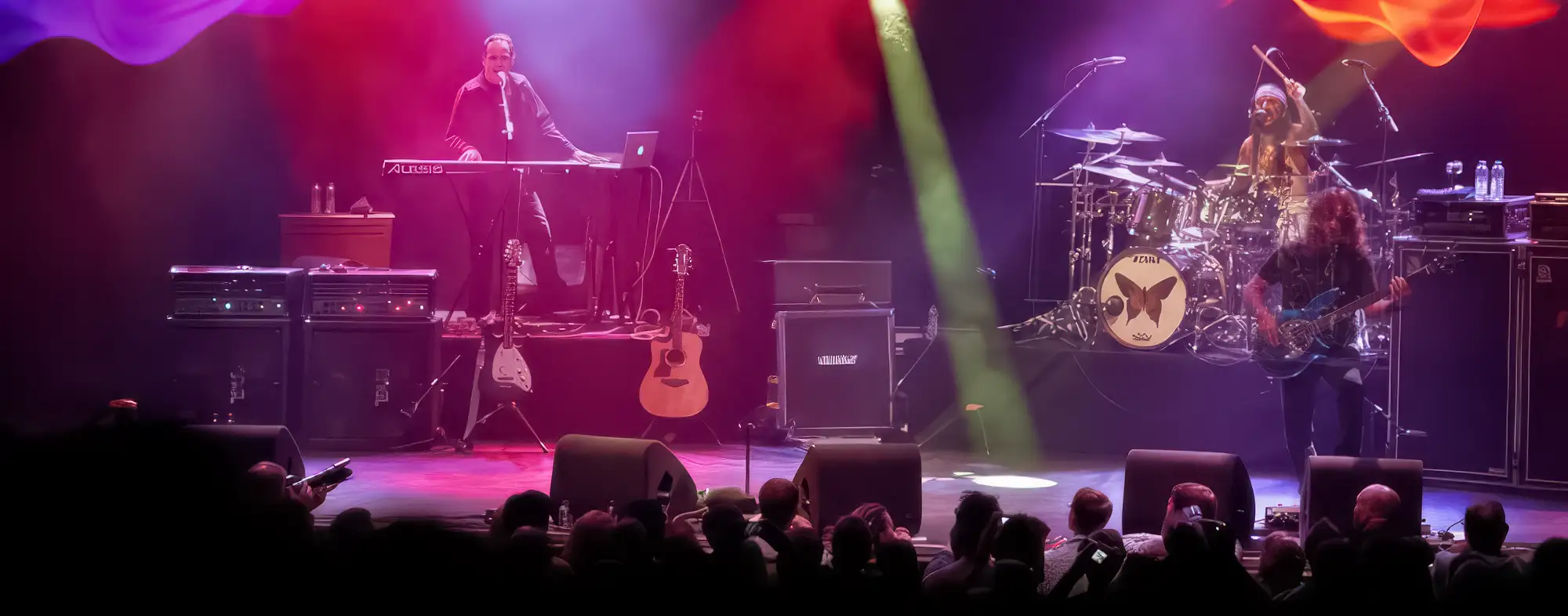
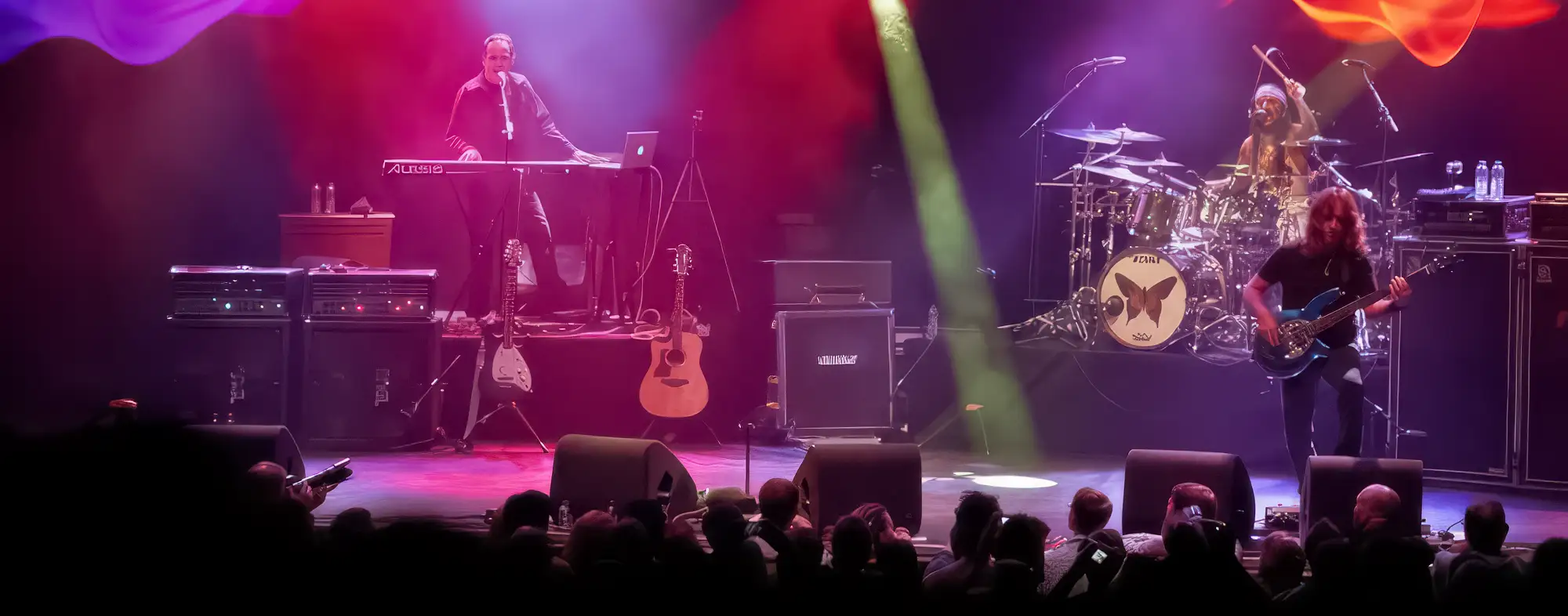
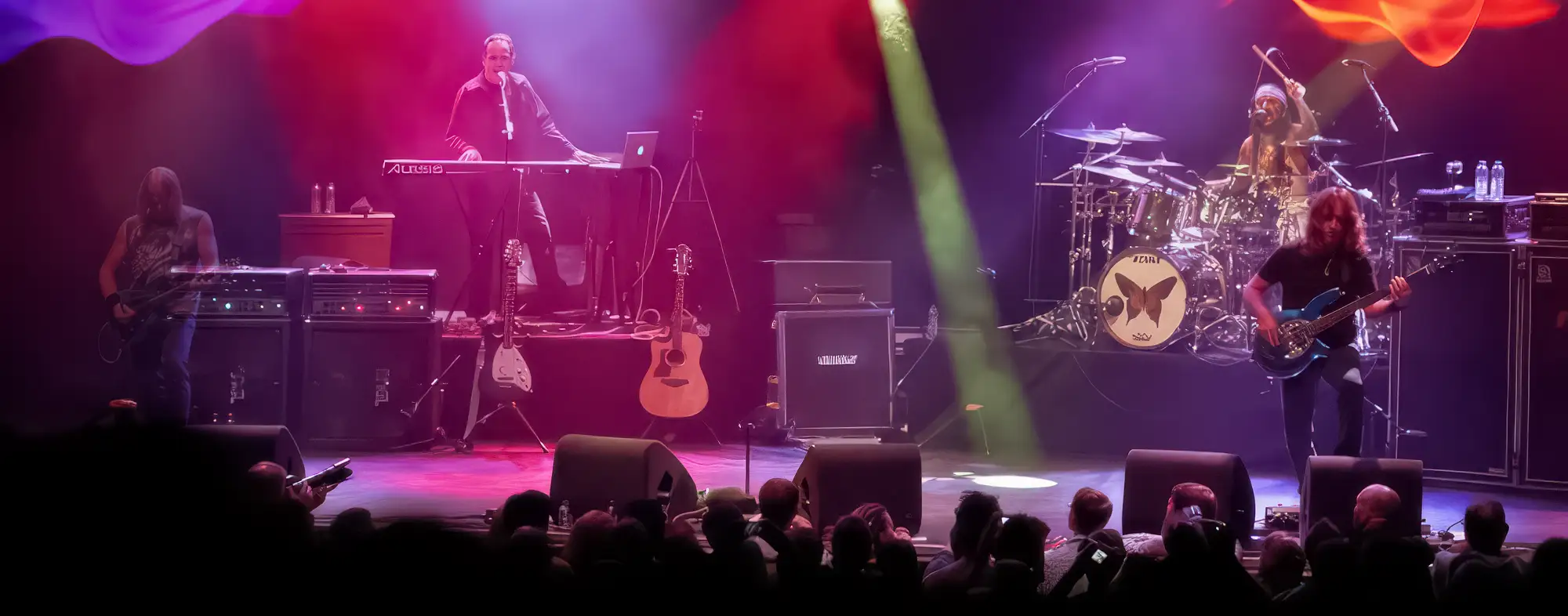
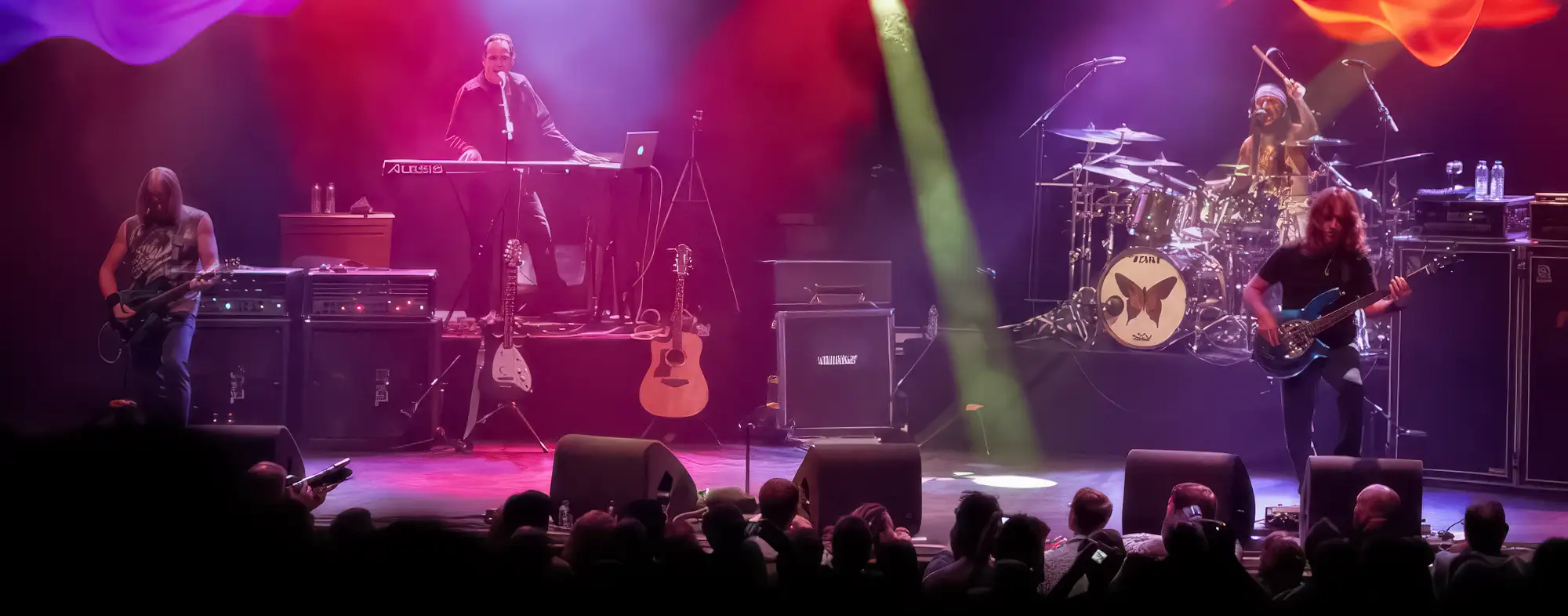
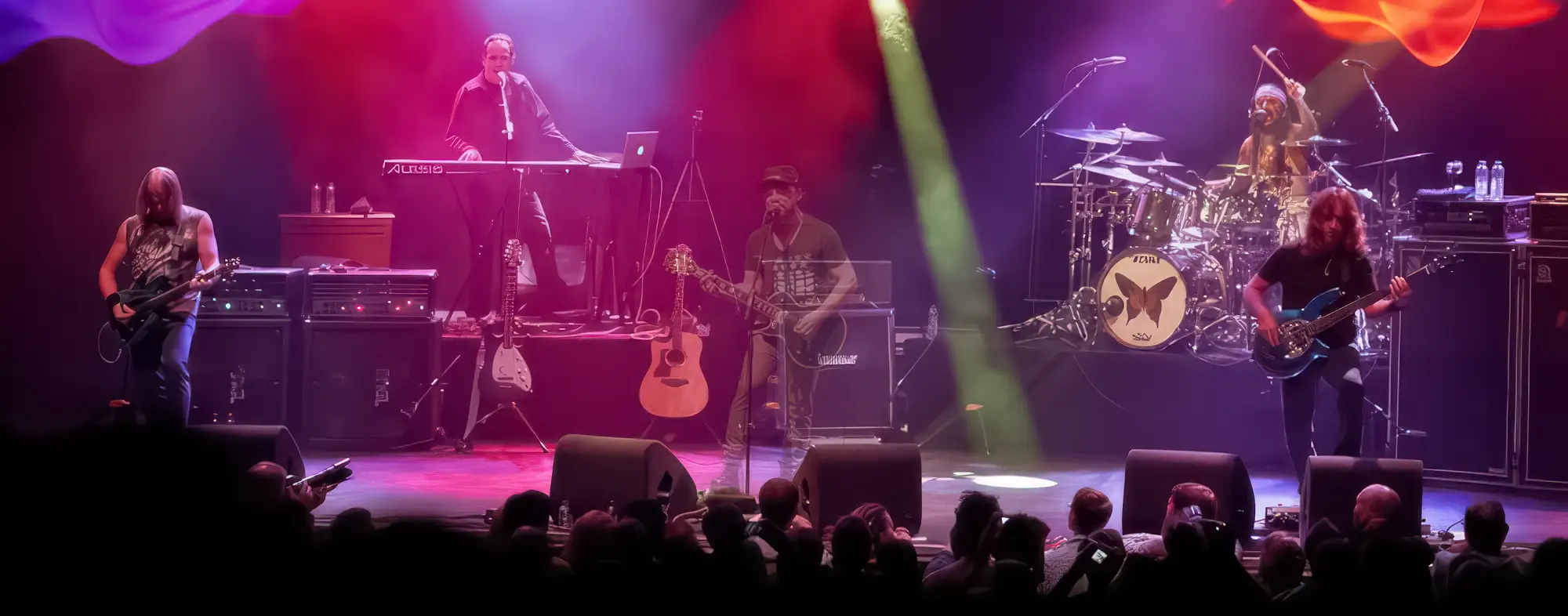
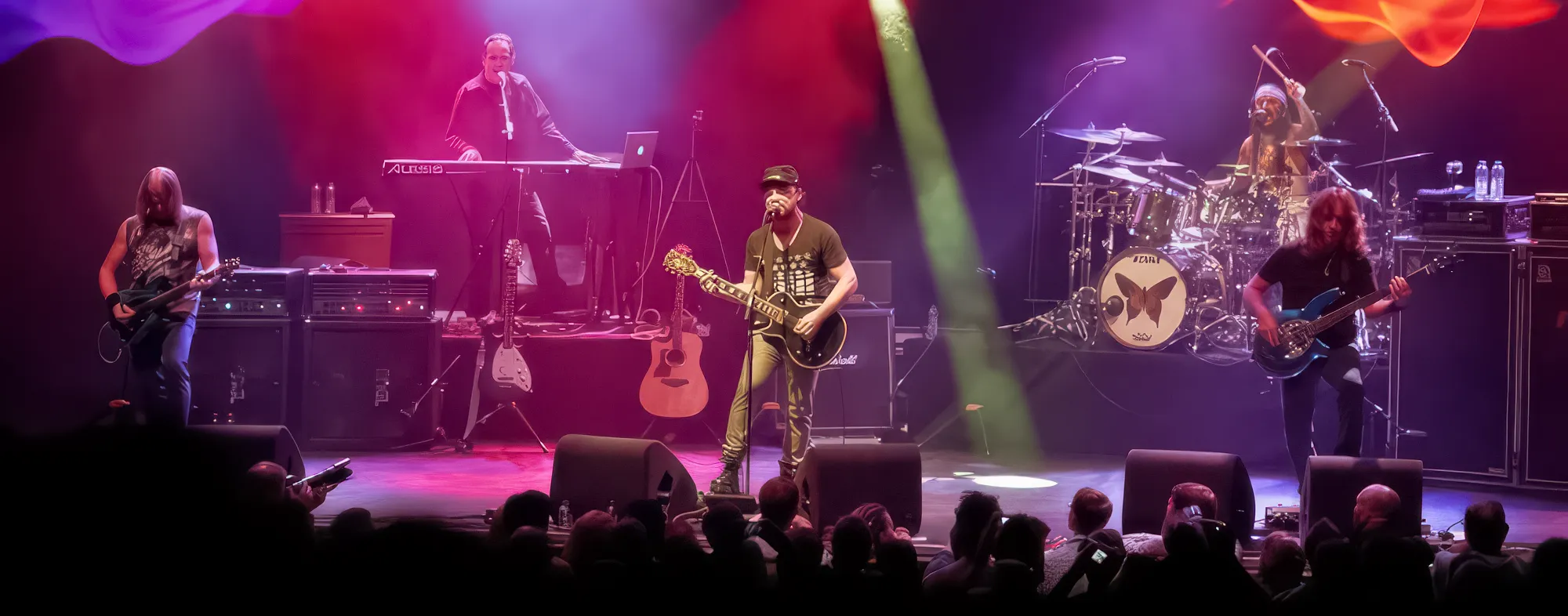
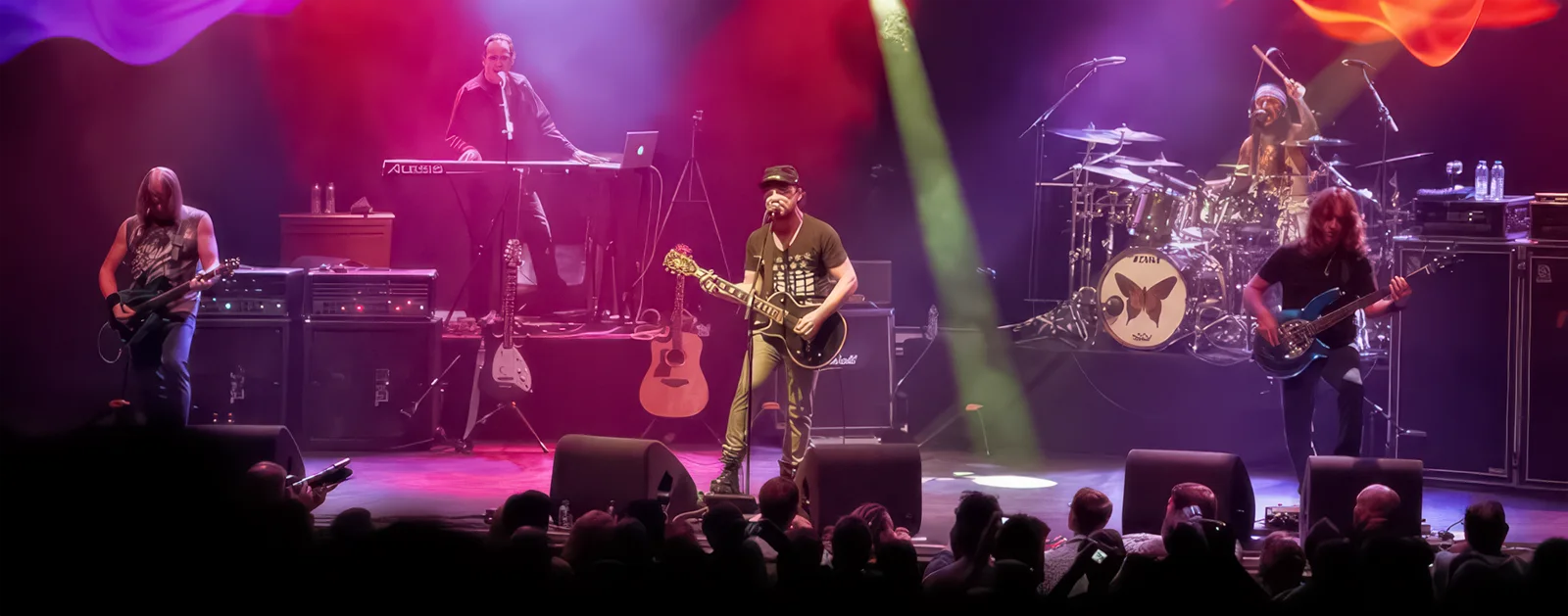
Evans successfully demonstrated it in 2015 with the Flying Colors concert video/album, Live at the Z7. Wikipedia conferred, “Critics place it among the best-sounding live albums ever made.” Evans was awarded a PhD for his discovery of Performance Restoration in 2018. From there, informed by the creative pull of his commercial music projects, Evans began applying his VAW (Virtual Audio Workstation) methodology to PRISM.
A Sound Plan
- Passive Performance Restoration
- Perceptual Clarity
- Noise Removal
- Proto-Isolation
- Point Phase Coherence
- Physical Modelling
- Predictive Audio
- Ambience Removal
- Detail Enhancement
- Articulation Separation
- Dynamic Range Enhancement
- Group Phase Coherence
- Archetype Audio
- Extended Duration
- Detail Enhancement
- Event Parsing
- MIDI Support
- Hybrid Modelling
- Mic Phase Alignment
- Retrospective Editing
- DAW Plugin Support
- Ambience Modes
- Unified Data Format
- Extended Durations
- Timbre Enhancement
- Ambience Extraction
- Note Onsets
- Generative Simulacrums
- Ambience Restoration
- Group Phase Alignment
- Dynamics Modeling
- Component Modeling
- Algorithmic Simulacrums
- Note Mixing
- Personality Profiles
- Guided Performance Restoration
- Generative Composition
- Performance Interpolation
- Audio Inprinting
- Instrument Changes
- Deep Encoding
- Error Normalisation
- Generative Performance
- Repertoire Generalisation
- Active Performance Restoration
PRISM started as HPAR, which suffered from being a terrible acronym. That aside, many of PRISM’s features that were introduced up to a decade later were first prototyped at this stage. The first official PRISM version provided Archetype audio, created specifically for DAWs. It was followed by PRISM 2, featuring the industry’s first lossless audio-to-MIDI functionality. PRISM 3 adds audio-to-audio and text-to-audio with PRISM 2’s audio-to-MIDI functionality, along with Personality Profiles. And lays the foundation for PRISM’s conclusion in 2028.
On the Record
PRISM version 3 smoothly integrates the current AI-music landscape into PRISM’s workflow. According to its 14-year roadmap, PRISM was just holding space for it.
Active Performance Restoration (APR)
PRISM actively monitors recorded tracks, alerting users to potential performance errors. When flagged, users then have the option of fully-automated restoration.
Personalities
Re-renders existing performances of acoustic recordings in the styles of specific musicians. It also adds user-adjustable meta-performance parameters to change stylistic characteristics. Personalities were part of Evans' original Performance Restoration thesis; has applied it to artists such as Crosby, Stills & Nash.
Actualiser
By inheriting functionality from Personalities and APR, the Actualiser improves recorded performances in the end user's specific style—creating a better version of themself that is still authentic to them.
Instance Replacement
This feature enables users to change the instruments used on a recording while maintaining the resonance signatures of the original (i.e., changing the resonant body, not triggering a sample). It is an improvement over the implementation in PRISM v2.
Repertoire Expansion
Version three expands the unsupervised instrument set from drums to include guitar, piano-derived keyboards and bass.
Generative Interpolation
In 2015, Evans first performed predictive interpolation for the album, Live at the Z7. PRISM 3 generalizes this capability by filling in—or composing—missing or empty sections of music.
Audio Inpainting
PRIMS's own spin on this contemporary paradigm combines prompt-based holistic audio-to-audio inprinting—with the precision of MIDI, PRISM's lossless resynthesis, and physical modeling.